September 4, 2026
Fall Roof Checklist and What to Fix Before Winter Hits
Every fall we get the same phone call. A homeowner in Silver Spring, Rockville, or Bethesda notices a water stain on a bedroom ceiling in January — right in the middle of a cold snap, when the roof is covered in ice and nothing can be done safely or cheaply.
Almost every one of those calls traces back to something that was visible and fixable in October.
Fall is the single best window for roof work in the DMV. The weather is mild enough for shingles and sealants to set properly, the summer storm season is behind us, and there's still time to fix problems before the first freeze locks everything in place. Here's what we tell our customers to look at.
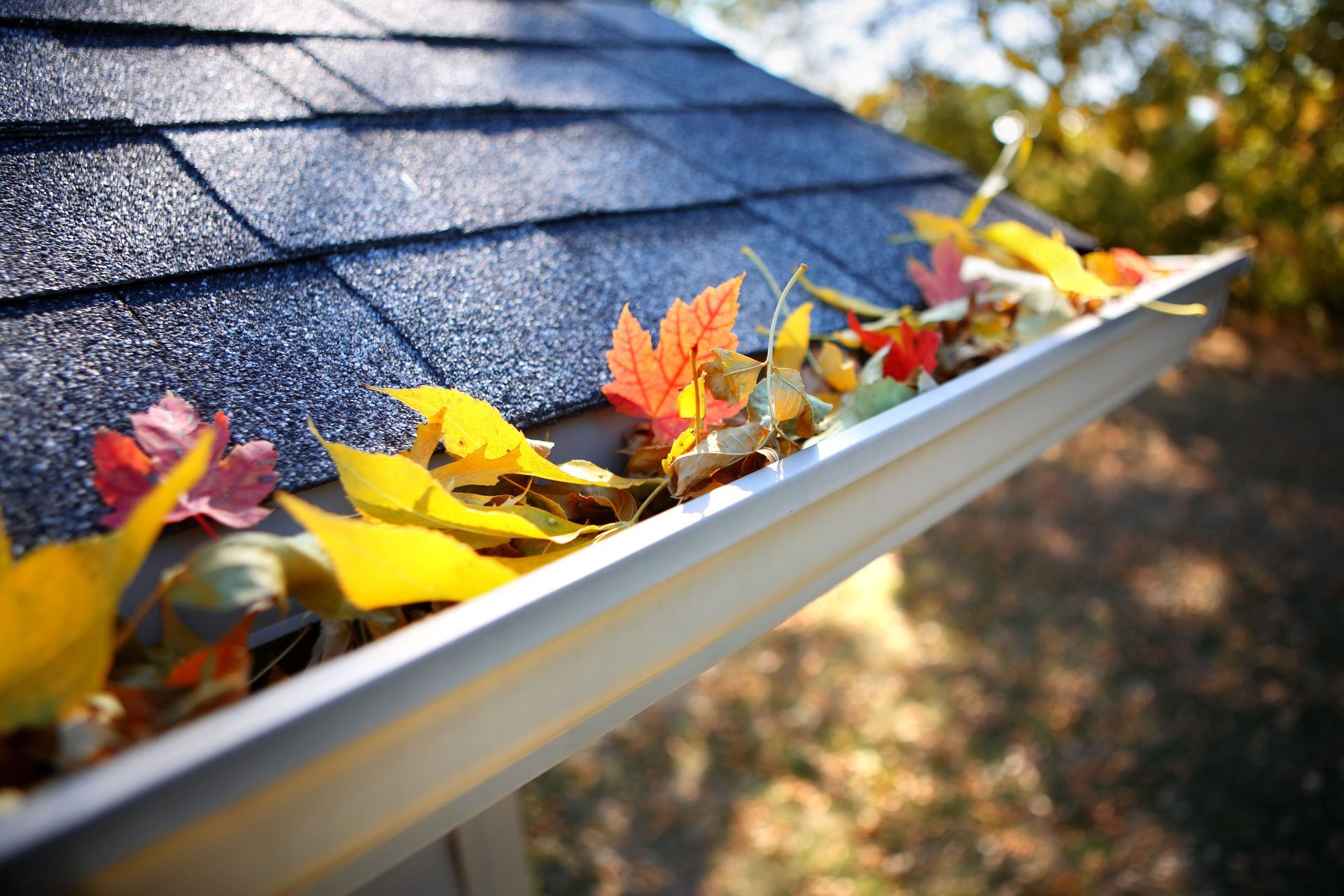
1. Clear the gutters — twice, not once
Montgomery County has one of the heaviest tree canopies in the region, and that's a mixed blessing. Those oaks and maples that keep your house cool in August drop leaves well into December.
One cleaning in early October isn't enough. The first pass clears the summer buildup; a second pass in late November catches the tail end of leaf drop. Skip that second cleaning and you head into winter with gutters full of wet, compacted debris.
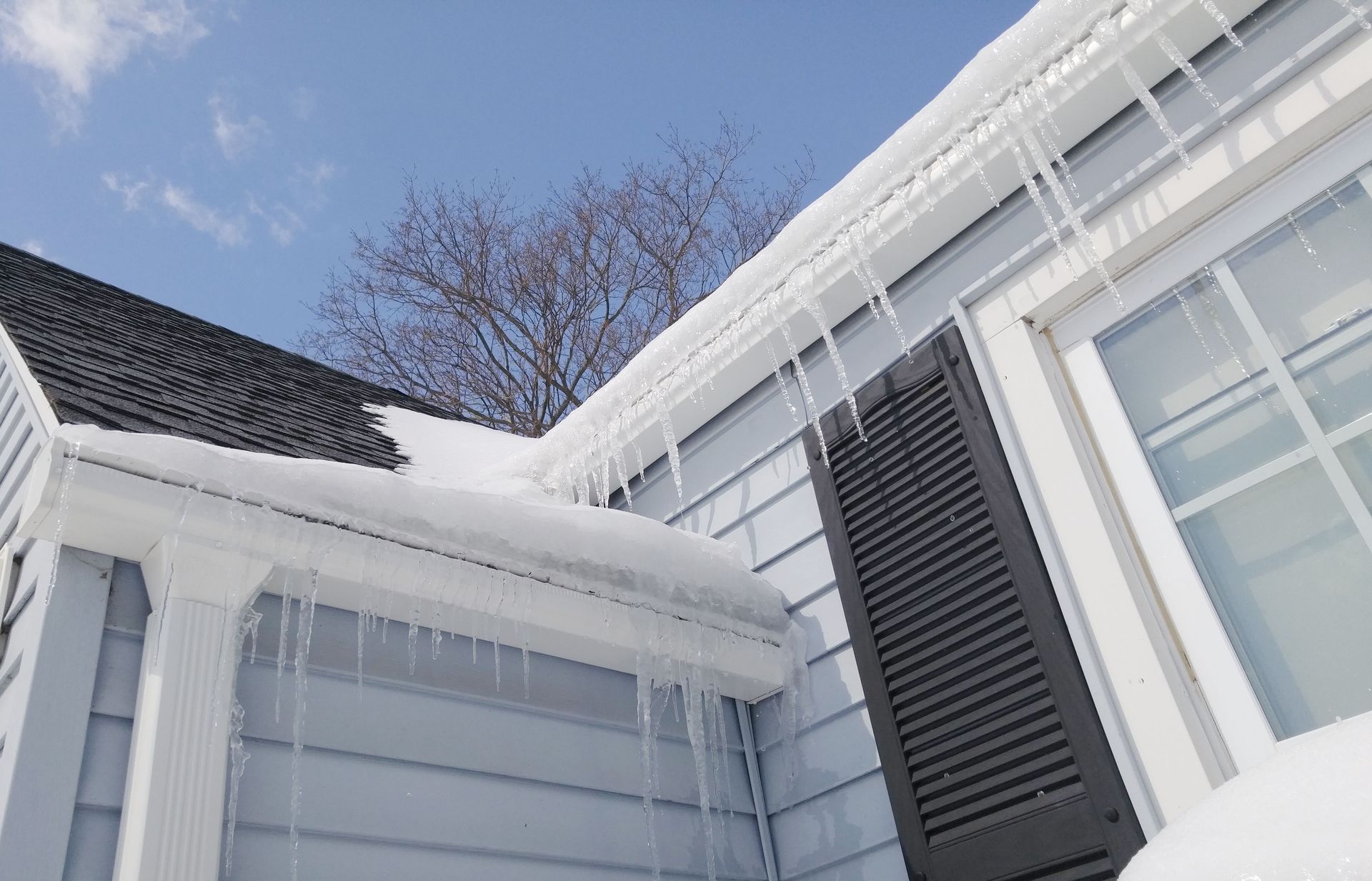
Here's why that matters more than most people realize. Clogged gutters hold water. When temperatures swing above and below freezing — which happens constantly here from December through February — that water expands and contracts, pulling gutters away from the fascia and forcing meltwater back up under your shingles. That's how ice dams start, and ice dam damage is expensive.
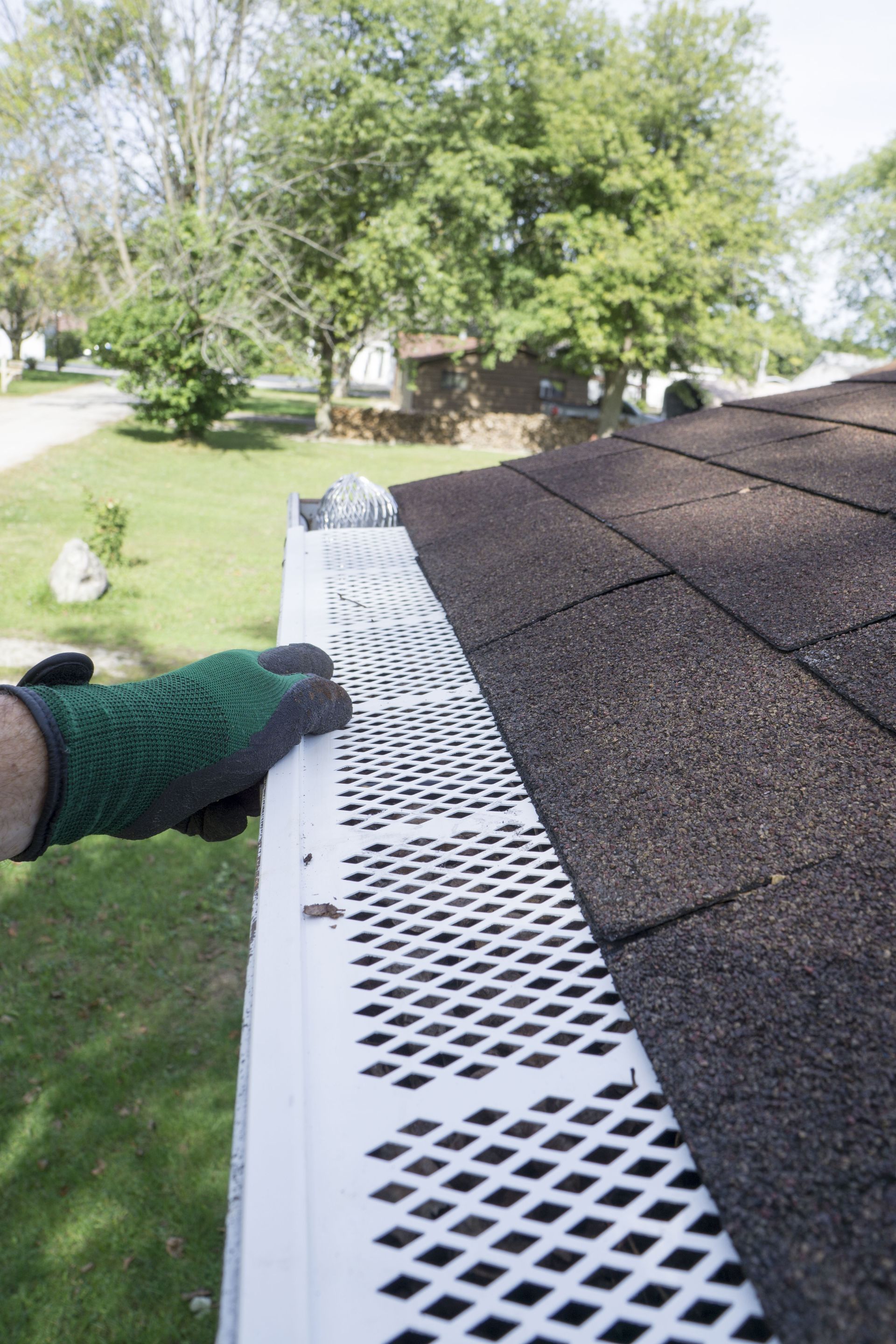
If you're cleaning gutters twice a year and hating it, gutter guards are worth pricing out. They're not maintenance-free, but they turn a two-hour job into a fifteen-minute one.
2. Look at your roof from the ground with binoculars
You don't need to get on the roof, and we'd rather you didn't. A pair of binoculars and a walk around the perimeter of your house will show you most of what matters.
Look for shingles that are curling at the edges, cupping in the middle, or missing granules — the sandy surface that protects the shingle from UV damage. Bare, shiny patches mean that shingle is near the end of its life. Check for anything visibly lifted or missing, especially along ridges and the windward side of the house.
While you're walking, look in the gutters and at the base of downspouts for piles of granules that look like coarse sand. A few is normal. A significant accumulation means your roof is shedding its protective layer faster than it should.
3. Check the flashing around chimneys, vents, and skylights
Most roof leaks don't start in the middle of a shingle field. They start where the roof meets something else.
Flashing is the metal that seals those transitions, and it's the first thing to fail. Around chimneys especially, the sealant dries out, cracks, and pulls away — and because the failure is small and hidden, water gets in for months before anyone notices a ceiling stain.
If you have a chimney, fall is also the right time to check the crown and mortar joints. Freeze-thaw cycles are brutal on masonry. Water gets into a hairline crack, freezes, expands, and turns a hairline crack into a real one. Doing that repair in October costs a fraction of doing it after a winter of damage.
4. Go up into the attic
Five minutes with a flashlight on a bright day tells you a lot.
Look for daylight coming through the roof deck — any pinhole of light is a hole water can follow. Look for dark staining or streaking on the underside of the decking and along the rafters, which means water has been getting in. Check for damp or matted insulation.
Also pay attention to whether the attic feels stuffy or unusually warm. Poor ventilation is one of the most common problems we find in older Montgomery County homes, and it causes two expensive things at once: it cooks your shingles from underneath, shortening their life, and in winter it melts snow unevenly on the roof, which is the other main cause of ice dams.
5. Trim back overhanging branches
Any limb hanging over the roof is a problem waiting for the first ice storm. Branches scrape granules off shingles every time the wind blows, drop debris directly into gutters, and shade sections of roof enough to grow moss — which holds moisture against the shingle.
The DMV gets at least one significant ice or wind event most winters. A limb that looks fine in September looks different with an inch of ice on it. Trim anything within about ten feet of the roofline.
When to call a roofer instead
Some of this is homeowner work. Some of it isn't.
Call a professional if you see any interior water staining, if you find missing or lifted shingles, if your roof is over 15 years old and hasn't been inspected, if flashing looks separated or rusted, or if you had any storm damage this past summer that you never had assessed. That last one catches a lot of people — wind damage from a July storm often doesn't leak until the winter rains arrive.
And if you're already thinking about replacement, fall is genuinely the better season to do it. Shingle sealant strips need warmth to bond properly. Installing in the mild days of October and November means your roof seals correctly the first time; installing in January often means it doesn't seal until spring.
Get a free roof inspection before winter
EX Home Solutions has been serving Montgomery County, Washington D.C., and Northern Virginia since 2014 as a local, family-owned company. We handle roofing, siding, gutters, and chimney work — and we'll tell you honestly whether you need a repair, a replacement, or nothing at all.
Free estimates. Emergency service available. 5% senior discount on roofing.
Call (301) 906-9221 to schedule your fall roof inspection. Se habla español.
Frequently Asked Questions
When is the best time of year to replace a roof in Maryland? Fall is ideal. Temperatures between roughly 45°F and 85°F let shingle sealant strips bond properly, and the drier weather means fewer weather delays. Spring is a reasonable second choice. Winter installations are possible but the shingles often won't fully seal until temperatures rise.
How often should I have my roof inspected? Once a year for most homes, and again after any major storm. If your roof is over 15 years old, an annual fall inspection is worth doing without exception.
How much does fall roof maintenance cost? A professional inspection is typically free from a local contractor — EX Home Solutions provides free estimates. Gutter cleaning and minor repairs vary by home size and roof pitch; we'll quote before any work starts.
What causes ice dams and can they be prevented? Ice dams form when heat escaping from the attic melts snow on the upper roof, which then refreezes at the colder eaves and backs water up under the shingles. The fixes are better attic insulation, proper ventilation, and clear gutters — all of which are fall projects.
Do I really need gutter guards? Not necessarily, but they make sense if you have heavy tree cover, a steep or high roof, or physical difficulty doing the cleaning yourself. In wooded parts of Montgomery County they usually pay for themselves in avoided cleanings and water damage.
Call For Free Estimate : (301) 906-9221